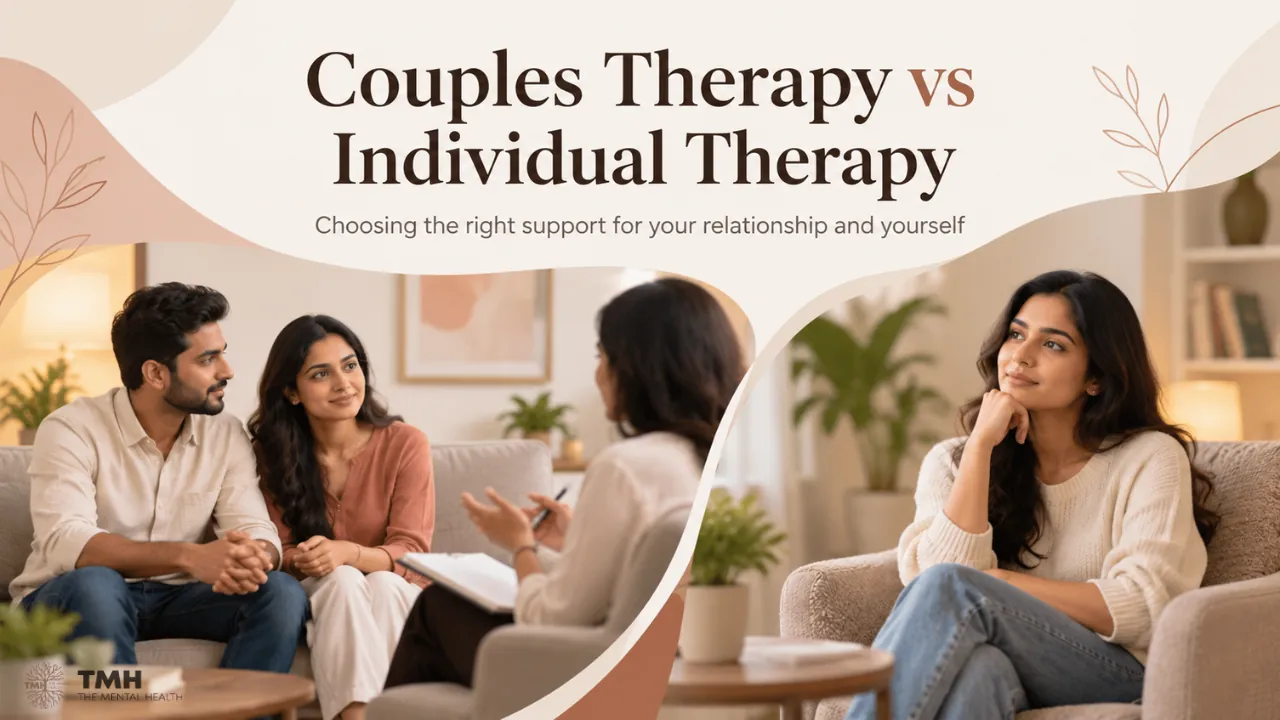
Many couples wait years before seeking help. Counselling works best when it starts early, before resentment sets in.
Signs It May Be Time
The same arguments keep returning
Silence, avoidance or constant criticism
Loss of trust after secrecy or infidelity
Feeling like roommates rather than partners
Disagreements about money, children or family
Stress after a major change, such as a new baby, loss or relocation
One partner is considering leaving
When Counselling Can Help
Learning to communicate without blame
Rebuilding trust
Understanding each other's needs
Making decisions together
Managing conflict with in-laws or family
When It Needs Extra Care
If there is violence, control or abuse, safety comes first. Individual support and safety planning are important before any couples work.
What to Expect
A first session to understand both views
Goals agreed together
Skills and exercises between sessions
A neutral space with no side-taking
How to Make It Work
Both partners need to be willing to try
Be honest and avoid blaming
Attend regularly
Practise what you learn at home
Key Takeaways
Seek help early, not as a last resort.
Repeated conflict and distance are signs.
Counselling teaches skills and understanding.
Safety comes first in abusive relationships.
Both partners need to participate.
Final Thoughts
Asking for help is a sign of commitment. For couple and relationship counselling, you can consult Dr. Mithila Desai, a clinical psychologist at The Mental Health in Borivali, Mumbai.
Read the full guide
This article is part of our complete guide, Relationship & Marriage Counselling: Conflict, Trust & Boundaries, which covers symptoms, causes, assessment and treatment in one place.
If you are in danger right now
If you have hurt yourself, are thinking of ending your life, or feel you may act on thoughts of harming yourself or someone else, please do not wait for an appointment. Call 112, go to the nearest hospital emergency department, or call Tele-MANAS on 14416 or 1-800-891-4416. Tele-MANAS is the Government of India's free mental health helpline, open 24 hours, in many Indian languages. Messages to The Mental Health are answered during clinic hours.
Common questions
Does counselling mean our marriage is failing?
No. Many couples use it to strengthen a healthy relationship.
What if my partner refuses to come?
You can start individual counselling and invite them later.
How long does it take?
It varies by couple and goals.
Will the counsellor take sides?
A good counsellor stays neutral.
Can counselling help after infidelity?
Many couples rebuild trust with support, though it takes time and commitment.
Is it confidential?
Yes, within professional and legal limits.

Registered with the Rehabilitation Council of India · Last reviewed 23 Nov 2026
This guide gives general information about psychological care at The Mental Health. It is not a diagnosis and does not replace a session. Read our editorial policy.