Everyone feels sad at times, after a disappointment, loss or difficult day. Sadness is a normal emotion that usually eases with time. Depression is different. It is a mental health condition in which low mood or loss of interest lasts for weeks and affects how a person thinks, feels and functions.
What Is Sadness?
Sadness is a natural response to loss, disappointment or difficult situations. It may be intense but usually comes in waves, and moments of relief or enjoyment still happen. Talking, rest and time often help.
What Is Depression?
Depression, or major depressive disorder, is a condition that affects mood, thinking and the body. It is not a sign of weakness or something a person can simply snap out of.
What Are the Signs of Depression?
Persistent low, empty or hopeless mood
Loss of interest or pleasure in usual activities
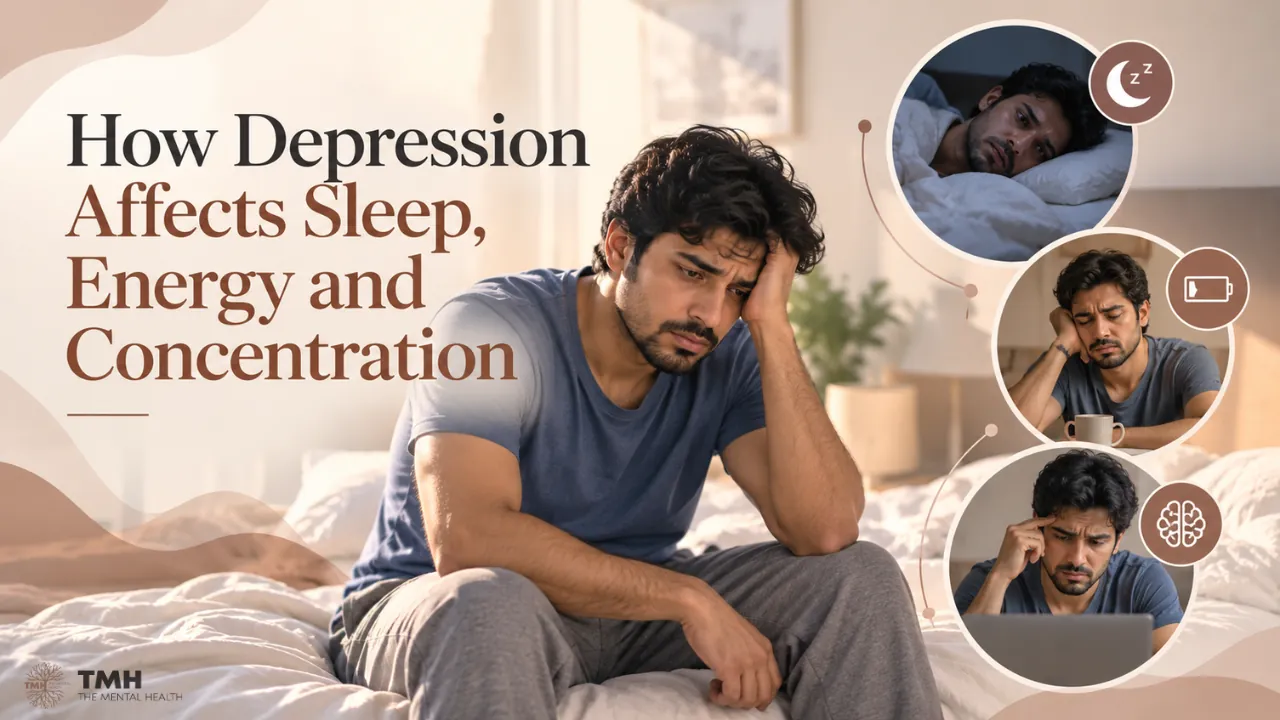
Changes in sleep, either too much or too little
Changes in appetite or weight
Tiredness and low energy
Feelings of worthlessness or excessive guilt
Trouble concentrating or making decisions
Slowed movements or restlessness
Withdrawing from people
Thoughts of death or self-harm
Depression is usually considered when several symptoms last at least two weeks and affect daily life.
How Do They Compare?
| Feature | Sadness | Depression |
|---|---|---|
| Cause | Often linked to an event | May occur with or without a clear cause |
| Duration | Usually days, eases over time | At least two weeks, often longer |
| Enjoyment | Still possible at times | Reduced or absent |
| Self-esteem | Usually intact | Often low, with guilt |
| Daily function | Mostly continues | Often affected |
| Physical symptoms | Mild | Sleep, appetite and energy changes |
What Causes Depression?
Depression usually results from a mix of biological, psychological and social factors, such as genetics, stressful life events, chronic illness, relationship difficulties, loneliness, trauma and some medical conditions or medicines.
How Is Depression Treated?
Psychotherapy, such as cognitive behavioural therapy or interpersonal therapy
Medicines prescribed by a psychiatrist when appropriate
Lifestyle support, such as activity, sleep routines and social connection
A combination of approaches for moderate to severe depression
When Should You Seek Help?
Seek help if low mood lasts more than two weeks, affects work, studies or relationships, or comes with hopelessness. If you have thoughts of harming yourself or ending your life, seek help immediately. In India, Tele-MANAS at 14416 provides free, confidential support, and emergency services can be reached at 112.
Key Takeaways
Sadness is a normal emotion that passes.
Depression is a health condition that lasts and affects functioning.
Look for persistent low mood and loss of interest.
Depression is treatable with therapy and sometimes medicines.
Thoughts of self-harm need urgent help.
Final Thoughts
Recognising when sadness has become depression is an important step toward feeling better. You do not have to wait until things are unbearable to ask for help. Dr. Mithila Desai, a clinical psychologist at The Mental Health in Borivali, Mumbai, supports people with low mood and depression.
Read the full guide
This article is part of our complete guide, Depression and Low Mood: A Guide for Patients and Families, which covers symptoms, causes, assessment and treatment in one place.
If you are in danger right now
If you have hurt yourself, are thinking of ending your life, or feel you may act on thoughts of harming yourself or someone else, please do not wait for an appointment. Call 112, go to the nearest hospital emergency department, or call Tele-MANAS on 14416 or 1-800-891-4416. Tele-MANAS is the Government of India's free mental health helpline, open 24 hours, in many Indian languages. Messages to The Mental Health are answered during clinic hours.
Common questions
How do I know if I am sad or depressed?
Sadness usually eases with time and still allows some enjoyment. Depression involves persistent low mood or loss of interest for at least two weeks, with other symptoms such as sleep changes, tiredness and hopelessness affecting daily life.
Can depression happen without a reason?
Yes. Depression can occur even when life seems fine, due to biological, psychological and social factors. It is not a personal failure.
How long does sadness last before it becomes depression?
Depression is usually considered when symptoms last at least two weeks and affect daily functioning. Persistent sadness beyond this deserves assessment.
Is depression treatable?
Yes. Psychotherapy, medicines and lifestyle support help most people. Many recover fully or manage symptoms well with treatment.
What should I do if I have thoughts of self-harm?
Seek help immediately. Contact a trusted person, a mental health professional, Tele-MANAS at 14416, or emergency services at 112.

Registered with the Rehabilitation Council of India · Last reviewed 23 Nov 2026
This guide gives general information about psychological care at The Mental Health. It is not a diagnosis and does not replace a session. Read our editorial policy.